Navigating Complex Product Architectures with Wireframing Layouts
1. The Visual Illusion of Progress
It is 2:00 PM in the executive boardroom. The design team displays a series of high-fidelity, fully colored mockups for the upcoming enterprise client dashboard. The colors are perfectly calibrated to the company brand guidelines, the drop-shadows look elegant, and the typography is flawless. The stakeholders are impressed, head nods fill the room, and immediate sign-off is granted to move the designs directly into engineering sprints.
Six weeks later, the deployment hits the testing environment, and the entire system falls apart.
The engineering team uncovers massive structural deficiencies. The data architecture cannot support the real-time layout display, the placement of the primary reporting blocks breaks basic data interaction models, and the system requires a complete structural overhaul. The project drops into a tailspin of infinite rework, technical friction, and massive budget overruns. Your organization just spent thousands of dollars optimizing visual aesthetics while completely ignoring functional layout viability.
This scenario repeats itself across modern technology enterprises due to a single, expensive mistake: confusing high-fidelity interface design with core structural analysis.
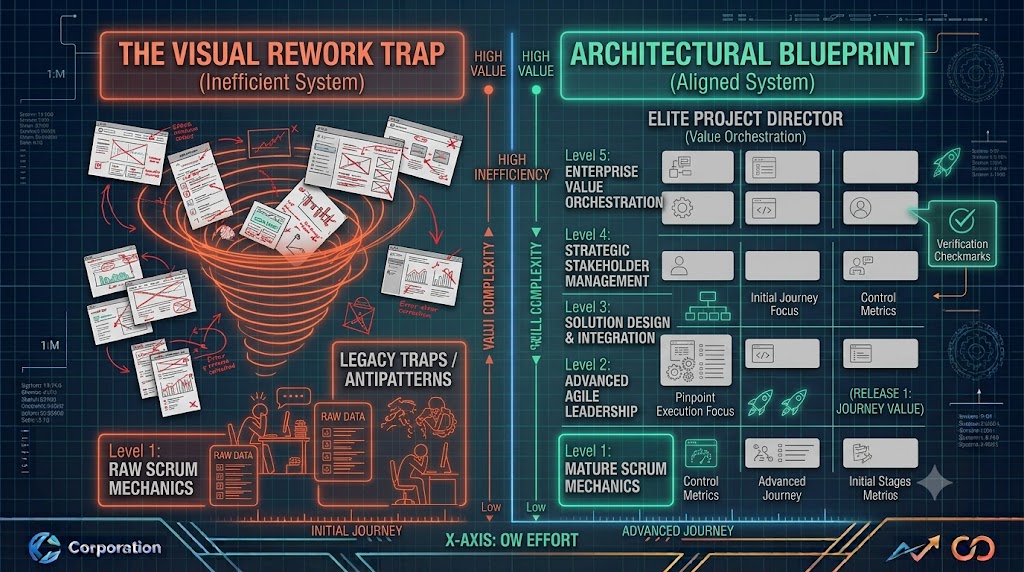
A common project management myth dictates that visual design should happen simultaneously with requirement validation. In reality, modern product structures are incredibly complex. When project leaders allow color, branding, typography, and polished assets to enter the initial validation loop, stakeholders lose their ability to evaluate the layout critically. They focus on the color of a primary action button rather than whether the structural placement of that button actually fulfills the underlying business logic.
2. The Structural Mechanics of Wireframing Layouts
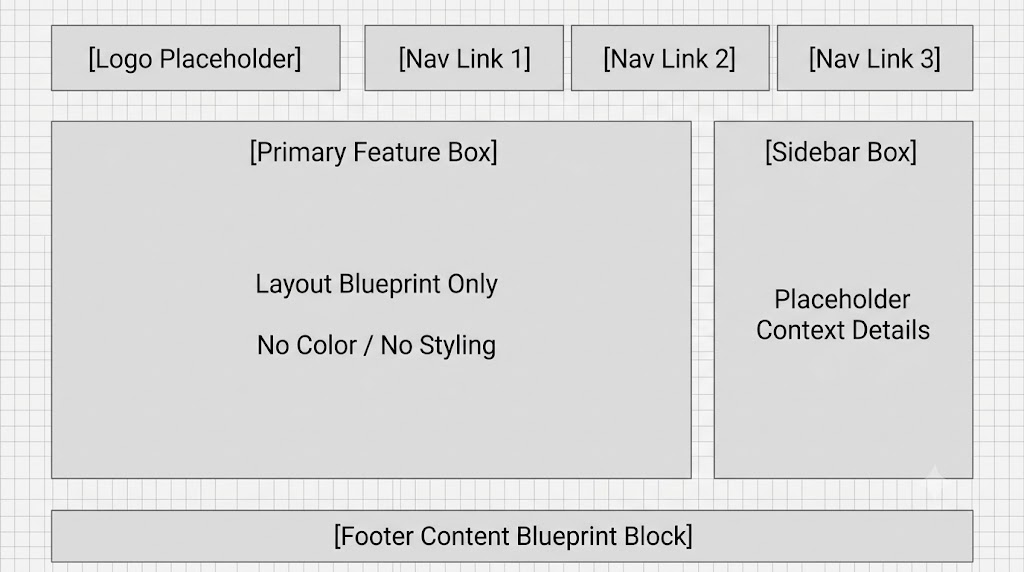
To insulate development teams from expensive technical alterations, modern operational teams use wireframing layouts as a foundational analysis phase. At its baseline architectural level, a wireframe layout is a rapid, gray-scale user interface blueprint that lacks colors, typography, or stylistic styling. It serves as a visual skeleton designed to map out structural layouts, information hierarchies, and basic functional interaction loops prior to code or design asset execution.
The Three Structural Pillars of Low-Fidelity Layouts
By consciously removing styling choices, a low-fidelity wireframe forces product teams and enterprise clients to align strictly on structural mechanics:
Information Architecture Placement: Wireframing layouts determine exactly how data categories are organized across a display screen. It creates visual placeholders that establish clear boundaries for specific content sections, ensuring logical mapping before any engineer writes a database query.
User Interface Layout Architecture: It sets the core location parameters for functional interface elements, such as data tables, primary menu buttons, input fields, and search modules. This establishes the spatial blueprint of the application.
Workflow Interaction Journeys: It maps out the exact relational transition from step to step. When a user engages a layout placeholder, where does the operational focus shift? Wireframes allow this step-by-step movement to be validated cheaply without design debt.
Step-by-Step Layout Implementation Framework
Isolate the Context Requirements: Before drawing a single line, review your visual roadmaps and technical specs. Understand exactly what data points need to reside on the viewport to satisfy the user journey.
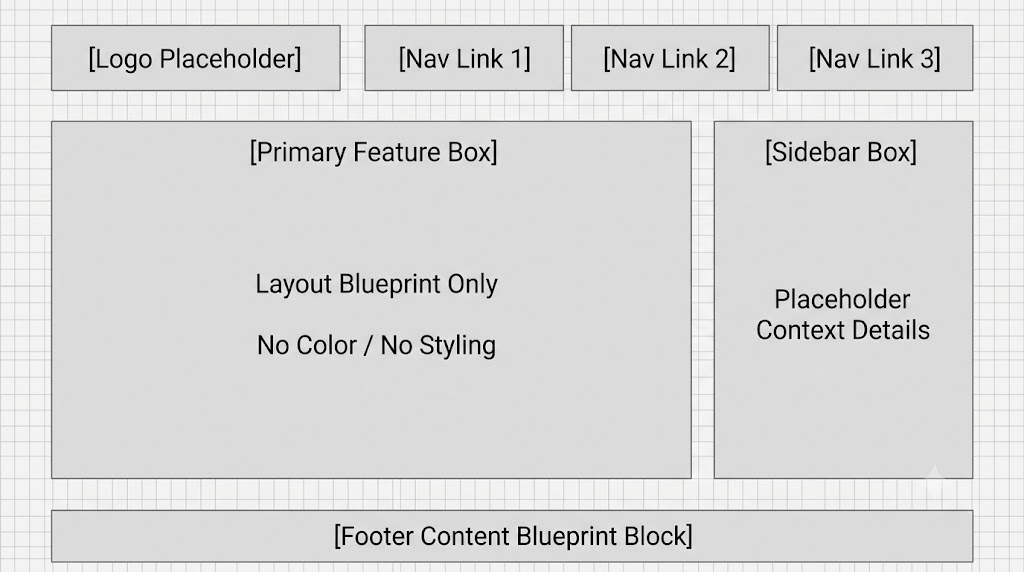
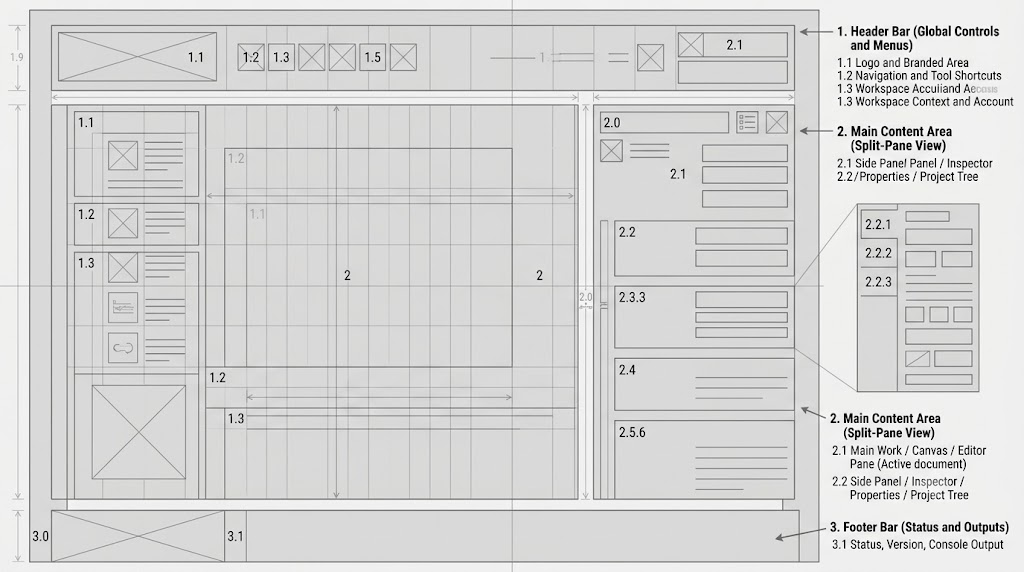
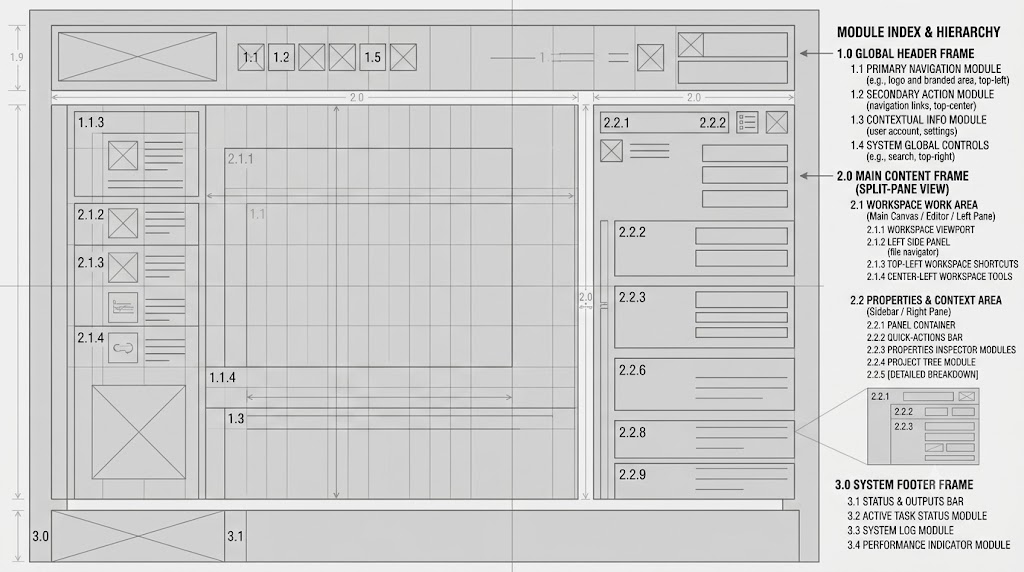
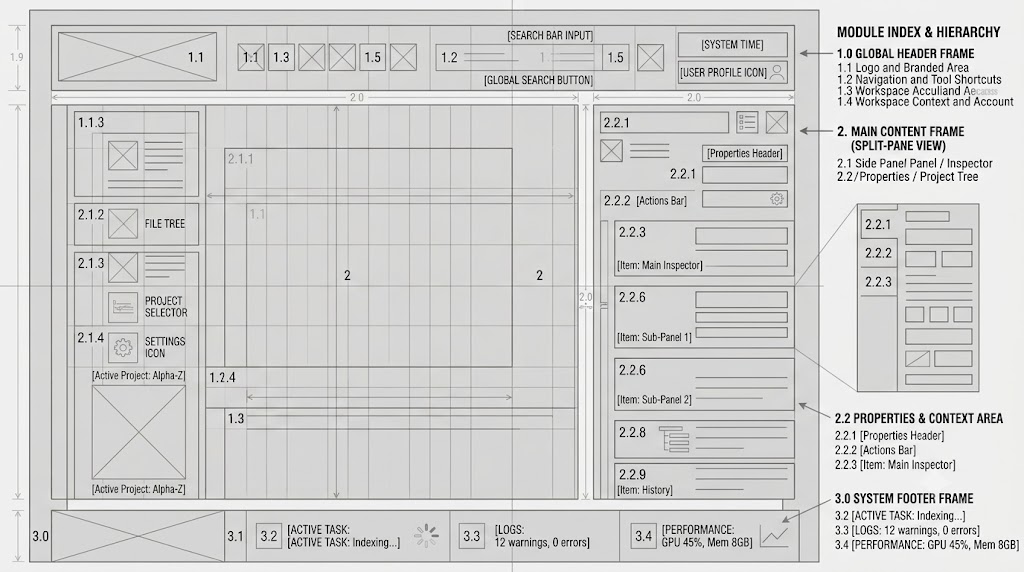
Define the Grid Architecture Boundaries: Establish the architectural zones of your layout screen. Block out the core operational sections, including the primary header layout, content canvas area, sidebar navigation panels, and structural footers.
Position Content Layout Modules Elements: Place layout boxes on the canvas using uniform, non-descript styling patterns. Use standardized grey blocks to represent heavy media assets, cross-hatched boxes for graphics, and clean outline boxes to isolate data modules.
Trace Interface Navigation Sequences: Connect separate layout views with structured navigation indicators. Use structural flow arrows to demonstrate exactly how the screen display changes when a user interacts with a component box.
Subject Layouts to Context Validation Testing: Present the gray-scale structures directly to end-users, product owners, and engineering partners. Gather feedback specifically on structure, readability, context layout alignment, and user interaction mechanics while refusing styling critiques.
3. The Shift to Pinpoint Execution Accuracy
By decoupling interface functionality from visual asset presentation, project managers build a highly defensive, predictive delivery structure. The development engine moves away from expensive, reactionary rework and shifts toward accurate, proactive feature implementation.
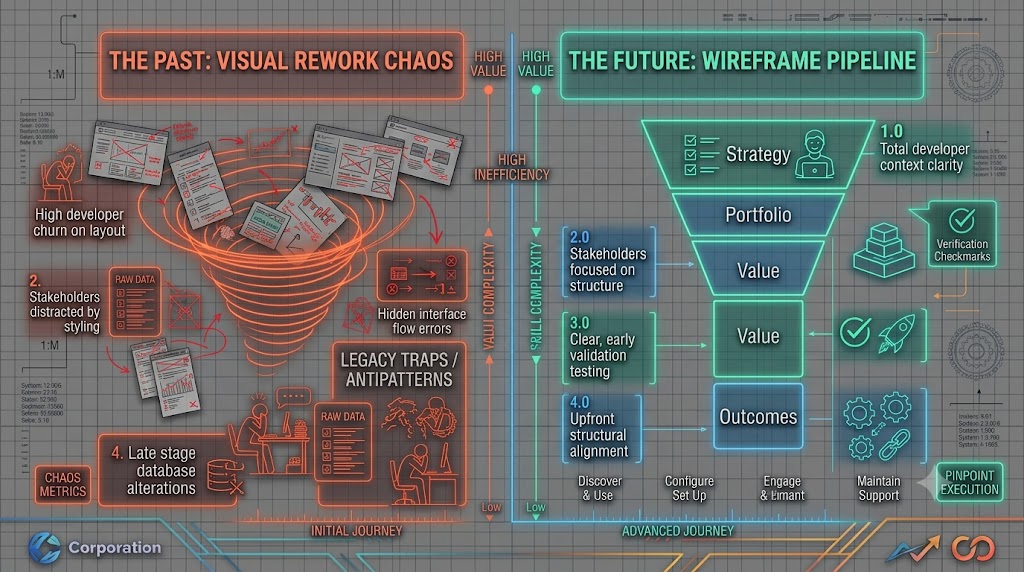
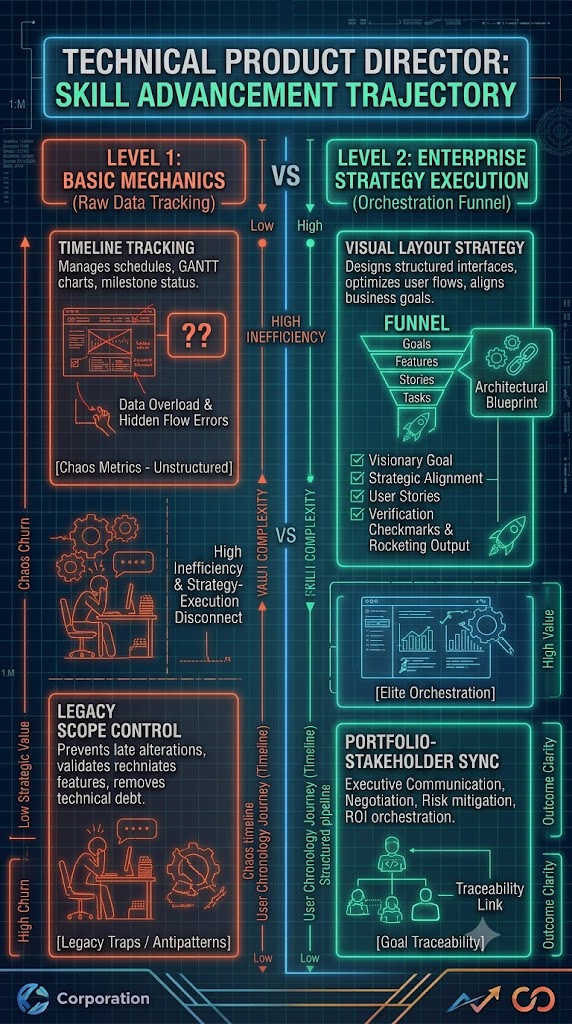
For the growth-minded project leader, implementing standardized low-fidelity wireframing pipelines shifts your profile from an administrative metric tracker into an elite operations director. You develop the technical authority required to manage competing stakeholder expectations effortlessly. Instead of moderating endless, subjective debates over aesthetic assets, you lead structured, objective workshops that validate core interaction logic early in the project timeline. This proactive leadership style is what executive teams seek when picking individuals for major programmatic leadership roles, setting your path for rapid upward progression.
4. Accelerate Your Delivery Trajectory
In the hyper-competitive landscape of enterprise engineering, managing delivery pipelines with ambiguous product requirements is an active operational risk. Navigating high-stakes software initiatives with clarity requires a framework rooted in layout validation, objective tracing, and strict functional execution.
If you are ready to eliminate late-stage architectural failures, minimize design adjustments, and master the art of technical execution, it is time to revolutionize your methodology.
At Skillsetify, we do not simply provide generic framework lectures. We deliver actionable corporate playbooks, advanced visual strategy systems, and clear guidance to trace your exact professional trajectory.
Upgrade your executive skill set. Connect with Skillsetify today, and establish an optimized project architecture that delivers repeatable commercial success.
High-Impact Call to Action
Ready to stop guessing at layout requirements, eliminate developer frustration, and scale the corporate matrix the right way?
Reach out to Skillsetify today, and let our corporate strategy experts map out your exact growth trajectory.
Visit skillsetify.com to access our exclusive operational masterclass toolkits.